They have never shared a meal with us or given us a hug, yet we feel so attached to them. We’ve met them in games, books, and shows. These pixels and ink make our hearts ache with joy and sadness. These powerful “connections” between us and our favorite fictional characters aren’t just weird, they are a fascinating way to look into how our minds work. We know that they aren’t real, so why do these fictional characters hold a special place in our hearts?
It’s the powerful mix of our wiring of our brains and self-reflection that answers the question. We are not just mere observers of our favorite characters’ stories, we’re also active participants in those stories. I know that you might think that this is “delusional” but this is exactly how our mind makes us feel. That’s what makes the mind interesting, so let’s dive deeper into why this happens.
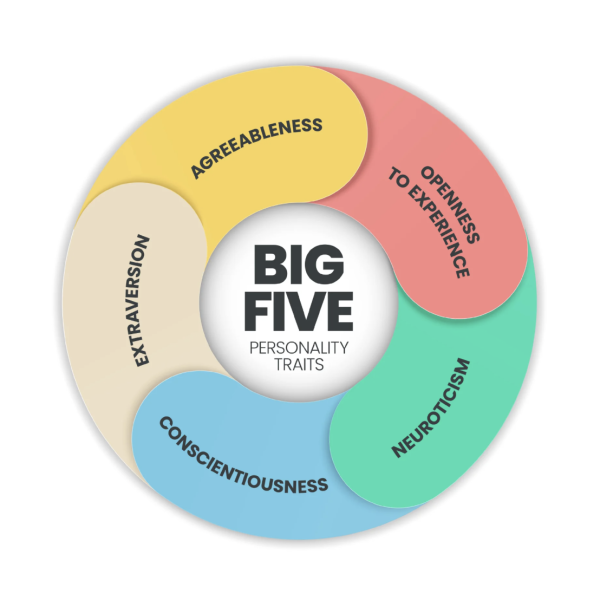
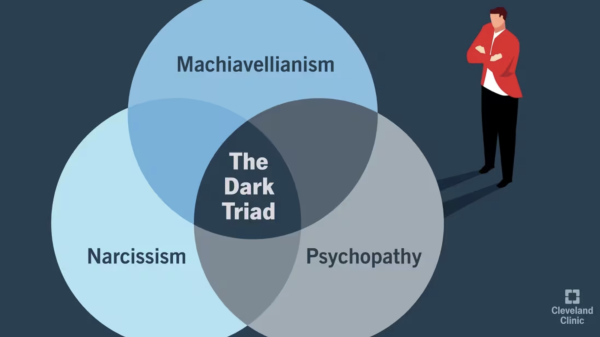
According to the University of Florida, one of the main reasons we connect so deeply with fictional characters we love is that we see ourselves in them. A study found out that we form these bonds through “assumed personality” by projecting our own personalities onto characters we meet. Over 300 Game of Thrones fans were surveyed; they were asked to rate their own personalities and then rate the 56 characters on the same scales like “the big five” and “the dark tetrad”. It was revealed that people were consistent in the traits they assigned and that they were more likely to rate characters more highly who were most similar to themselves. We form “parasocial relationships” with these characters by seeing parts of ourselves in them and projecting our own personalities on them.
The Motion Picture Association claims that we feel strong emotions for fictional characters because we use the same real-world empathy and sympathy that we use to connect with actual people. We initially empathize with characters from seeing their perspective and then sympathize with them from an outside view. Subconsciously, we treat fictional characters as real people by filling in details about their life, deepening our connection and making them feel more real. Next, we can grow to like the characters we first disliked by seeing their process of change and redemption and what made them this way. Finally, as long as a character’s emotions are portrayed effectively and are relatable, we don’t need to share their life circumstances in order to connect with them.
I interviewed a psychologist, Mr. Ruhl, working at the International School of Bangkok. In summary, he says that having connections with fictional characters can build crucial social-emotional skills. In literature classes, teachers ask us about characterization. For example, they may ask questions such as: How did the character feel when that happened? As we think deeply about their characterization, we form a deeper understanding about the character and a stronger connection. When the student answers these questions, they perform a cognitive exercise known as the “theory of mind”, stepping outside of their own lived experiences and into the emotional state of another being. They deeply engage with a character’s victories and even darker traits by “pseudo experiencing them”. Even though a character’s experiences might not be ‘real’ our brains process them as if they are. This process strengthens social cognition. We get a better understanding of other people’s troubles, the appropriate ways to act with someone, and finally, we get better at reading people.
However, there is a point where the effect of fictional characters becomes concerning. Stated by Mr. Ruhl, this crosses the line when the individual starts centering his or her life on the specific character or the fixation and when it heavily affects the person’s life negatively. For example, the individual starts being late to work because their favorite character has poor time management skills. This situation is concerning and must be put to a stop.
While Mr. Ruhl’s warning is important, don’t be embarrassed of finding comfort in your favorite character’s stories. You’re simply recognizing yourself in a piece of art.