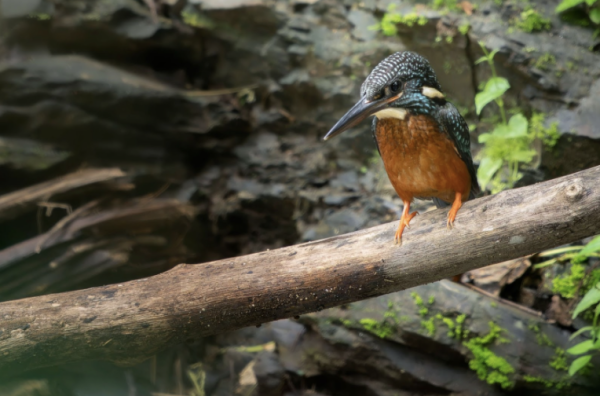
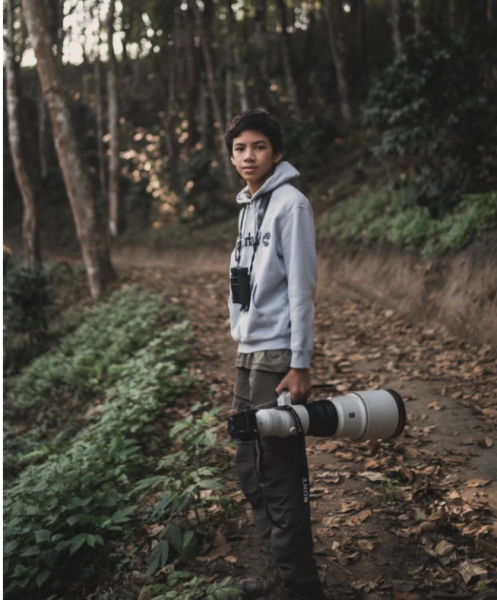
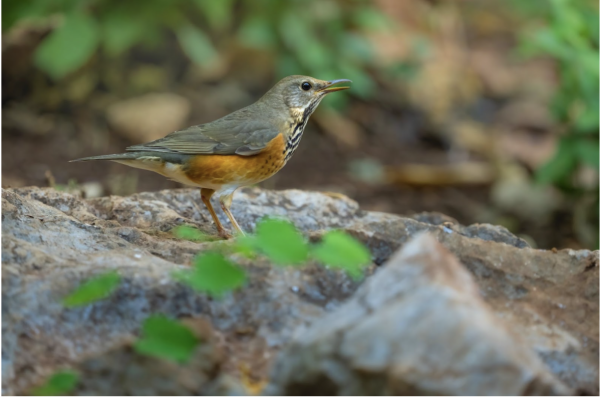
Only being a sophomore, Wasu Vidyanakorn has already begun building a name for himself in wildlife photography while using his platform to advocate for conservation. What started as a simple curiosity about birds has become a mission to document and protect Thailand’s vulnerable ecosystems. From a young age, Wasu spent time traveling through nature with his mother, experiences that gradually shaped his view of the environment around him. Before a trip to Khao Yai National Park, he asked if he could bring her old DSLR camera, a small decision that would quietly change the direction of his interests. As he began photographing birds, what first stood out was their beauty. But over time, something else became clear: many of the species he was capturing were rare and threatened. The focus of his work began to shift. Photography was no longer just about taking images, but about documenting what might not always be there. What started as an interest in birds gradually developed into a deeper awareness of conservation and responsibility.
That perspective continued to take shape at ISB. Through classes focused on climate change and environmental crises, Wasu began to connect what he was seeing in the field to larger global patterns. Habitat destruction and environmental decline were no longer abstract ideas; they became directly tied to the subjects of his work. Photography, in that sense, became more than just a hobby. It became a way to communicate something larger, to encourage awareness of sustainability and the importance of protecting natural ecosystems.
One experience, in particular, stands out. In Thailand’s western forest complex, Wasu spent four days from 6 AM to 6 PM, waiting in hopes of documenting Indochinese tigers feeding on a banteng carcass, but the tigers never appeared. There were no photographs to take home, no visible results. But the absence itself became the lesson. Spending days in the forest with nothing to show for it revealed something that is not always obvious: that meaningful work, especially in nature, often involves long periods of uncertainty. It required patience and, more importantly, the ability to continue without immediate reward. That idea has come to define much of his work. Wildlife photography, as he has experienced it, is often less about capturing the perfect image and more about the time spent waiting for it. Hours, sometimes days, can pass without a single photograph. There are moments, he says, when the effort feels “unproductive”, and it becomes easy to question whether the time could be spent differently. Despite these challenges, Wasu has never seriously questioned his path. Knowing that his work helps raise awareness of fragile ecosystems continues to motivate him, even if it’s in a small way; he continues to raise awareness about ecosystems that are increasingly under threat. Wildlife is not just an interest for him; it is something he feels responsible for protecting. It is deeply important to him, and protecting the wildlife has become central to his purpose. Even though this passion comes with significant sacrifice.
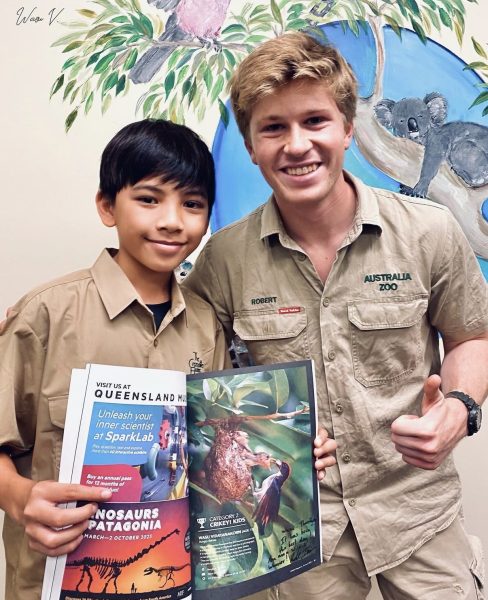
His commitment has also led to opportunities beyond Thailand. Meeting conservationist Robert Irwin was one experience. After learning he would have the chance to meet someone with such a large platform, Wasu was eager to gain insight into conservation from a global perspective. Spending time with Irwin and releasing a sea turtle together allowed him to see firsthand how collaborations with well-known figures can amplify environmental messages. It highlighted the importance of visibility and how partnerships can extend conservation efforts to a wider audience.
Now, Wasu’s work has reached organizations such as National Geographic Thailand, Sony, and Element 72. For him, that recognition is not the main goal, but rather a reflection of the time spent in the field and the hours of waiting, the persistence, and the gradual development of his work. What began with a borrowed camera has become something more sustained. Not just a collection of images, but a way of documenting, and, in some sense, preserving what may not always remain.