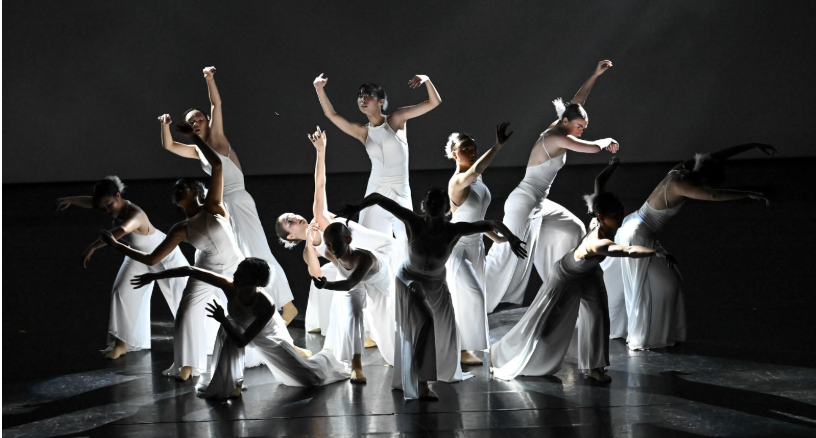
At ISB, the distinction between “athlete” and “artist” is often drawn at the gym door. We associate athletes with scoreboards, whistles, and jerseys, while artists are linked to expression, costumes, and the stage. But for those inside the studio, these two worlds don’t just meet; they collide. The debate over whether IASAS Dance should be considered an art or a sport is long-standing and almost never-ending, but maybe the answer isn’t “either/or.” It’s both.
To understand dance as a sport, you have to look at the preparation behind it. Ms. Sarah, the IASAS dance coach, explains that dancers train like traditional athletes, running laps, doing high-intensity interval training, and completing strength conditioning. Research also supports this intensity; dancers’ heart rates can reach 184-197 bpm during a performance, or up to 100% of their maximum heart rate, similar to a 400-meter sprinter, or a soccer player in full sprint. Dance captain Xianna adds that dancers engage more muscle groups and require exceptional body control, all while striving to maintain a composed, effortless appearance. This “mask” of ease makes the work look simple, but in reality, it takes months of training and pushing past physical limits.
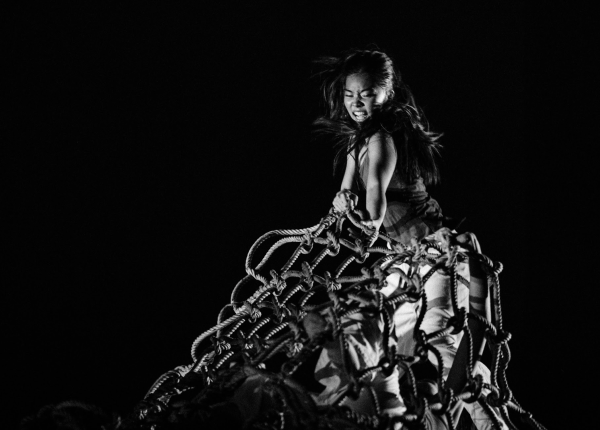
Many IASAS dancers train outside of school, often going far beyond scheduled varsity hours just to keep up in rehearsals. This connects directly to the level of perseverance required. In most IASAS sports, athletes can be subbed out; in dance, you can’t. Once you start, you have to keep going no matter what, even when you’re exhausted or injured. The irony is that this “effortlessness” is what makes people underestimate dance. Because it looks easy, people assume it isn’t physically demanding, when in reality it takes months of training and pushing past physical limits. Since the IASAS dance team had no alternates this year, every dancer had to push through injuries because even one person out could affect the entire formation. Research supports how demanding dance is. Around 80% of dancers experience at least one injury each year, most of which are due to overuse from long training hours. Despite this, dance is often dismissed because it lacks a scoreboard. However, captains Ori and Bella emphasize that the discipline still reflects a varsity-level commitment. Even without a final score, the training, pressure, and expectations mirror those of a high-stakes sport.
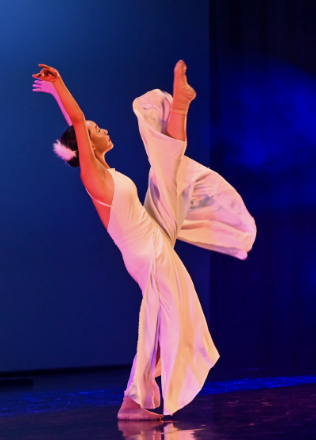
However, the absence of critical sport-like aspects is also what defines dance as an art. Dance allows people to be creative and express themselves in unique ways, which is what defines it at its core. As Khun Nass explains, dancers may train like athletes, but their goal is not to score points; it is to express emotion through movement. Looking at the history of dance, it originated as a form of cultural rituals, storytelling, and religious expression. This is different from sports, which were developed for competition and measurable performance.
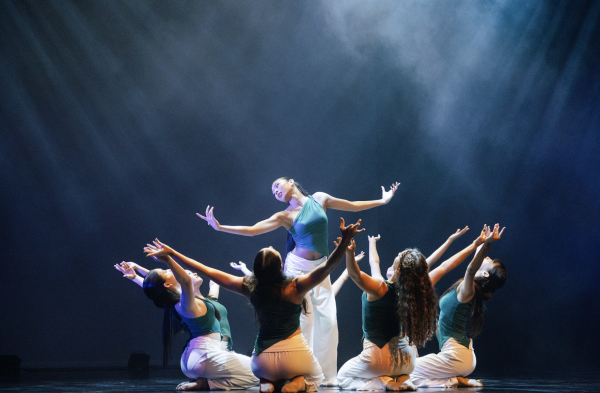
Unlike dance, most sports are based on strict rules and scoring, leaving little room for self-expression. While some sports, such as figure skating and gymnastics, have these elements, they are still judged based on required skills using a point system. Dance is different from this because the choreography and aesthetics are the goal. This is especially true in IASAS dance, which is entirely student-led. Unlike other sports at ISB, IASAS dancers create and direct their own work, making it a collaborative artistic process rather than a competitive sport.
Dance is also widely recognized as a performing art. It is grouped with theater and music, not athletics, and focuses on expression, storytelling, and emotional connection. There is no universal rulebook that defines how dance must be performed or judged, which allows it to evolve creatively. Even a professional’s success is measured through artistic impact and interpretation rather than physical ability. While I do believe competitive dance can be considered a sport due to its scoring systems, IASAS dance does not follow this structure and instead prioritizes creativity.
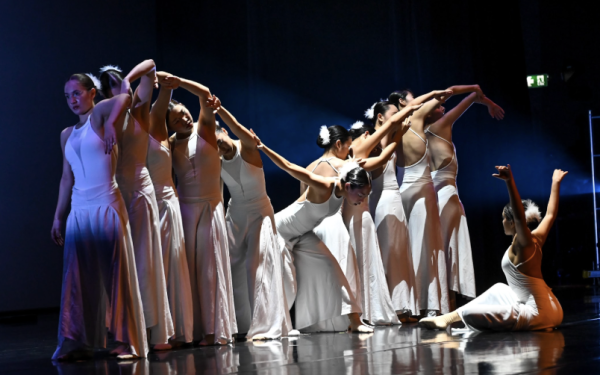
Calling dance an “art” does not invalidate the athlete. And calling dancers “athletes” does not invalidate the art they produce. While writing this article, we interviewed multiple people, and the majority said they believed IASAS dance qualifies as both. Dance at ISB should be considered both an art and a sport, and shouldn’t be forced to fit into either category. Dancers train like athletes so they can perform like artists.