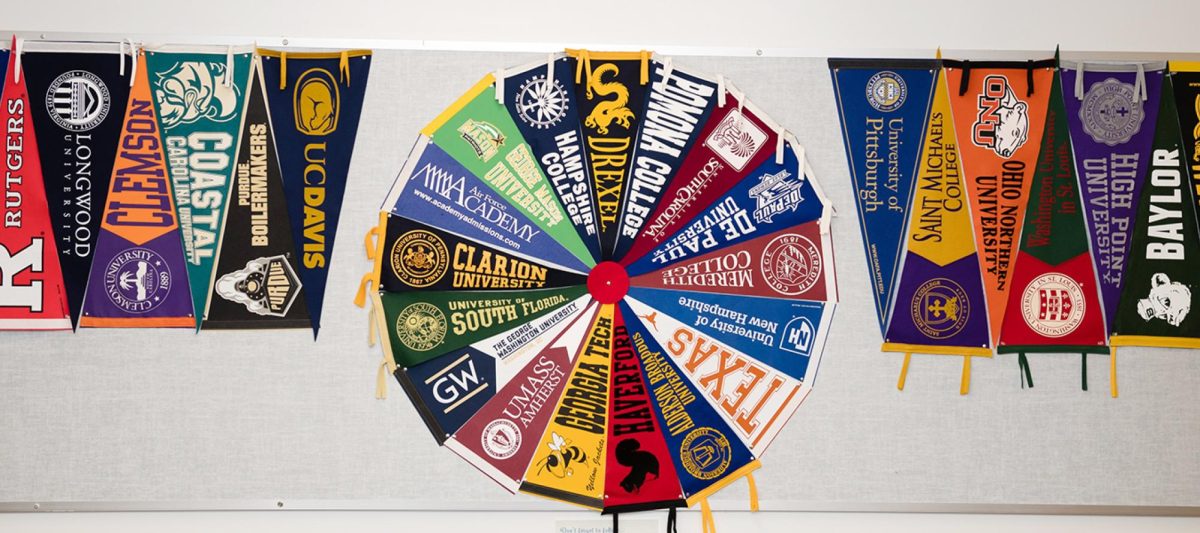
Walk through the hallways of any international school in Bangkok, and one topic dominates conversations more than any other: university. Course selections are weighed not by interest, but by rigor. Extracurricular activities are often chosen for their appearance on applications, and grades become a measure of self-worth rather than a reflection of actual learning. While ambition is often praised, the intense race for elite universities has quietly transformed student life into a culture of pressure and competition.
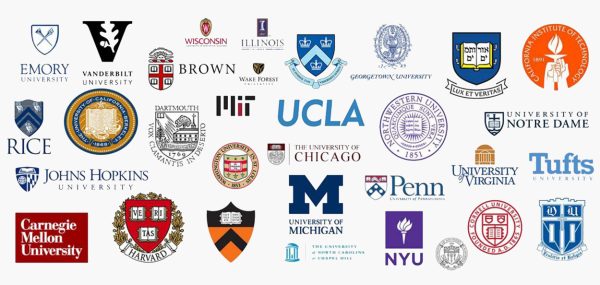
From an early age, students are encouraged to think several years ahead. Advanced courses, leadership titles, and summer programs are treated as necessities rather than options. In theory, this preparation is meant to open doors. In practice, it creates an environment where students feel they are constantly being evaluated. Not just by teachers and counselors, but by their peers. College lists become status symbols, and success is increasingly defined by acceptance letters rather than personal growth.
Especially in a school like ISB, where the university counseling program is highly supportive and well-resourced, students have access to an abundance of guidance, tools, and opportunities. From personalized counseling meetings to college visits, students are given every possible advantage to navigate the admissions process. While this support is valuable, it can also intensify pressure by making the race feel constant and inescapable. With so many resources readily available, students may feel that there is no excuse to fall behind, leading to heightened comparison and self-imposed expectations. Instead of easing stress, the sheer availability of support can reinforce the idea that success is measured by how effectively students leverage these resources to achieve prestigious outcomes.

This pressure reshapes how students experience school. Many take on academic loads that leave little room for rest, curiosity, or failure. Activities that once brought joy become strategic moves in a larger game, valued only for how they strengthen an application. Collaboration gives way to comparison, and asking for help can feel like admitting weakness. Over time, stress and burnout are normalized, even though they undermine the very excellence that schools claim to promote.
Another consequence of prestige-driven college admissions is the culture of competition and secrecy it creates among students. As university outcomes become tied to status and self-worth, information becomes a form of currency. Students hesitate to share study strategies, extracurricular opportunities, or even honest course experiences out of fear that helping others might put them at a disadvantage. Conversations about grades, test scores, and college lists are often selective or vague, reinforcing comparison while preventing genuine support. This environment weakens trust and collaboration, replacing what should be a shared learning community with quiet rivalry. When success is treated as scarce, students begin to see one another not as classmates, but as competitors, undermining the sense of belonging that schools claim to value.
High Honors student and University Ambassador Pao Pao P. offers his own viewpoint, stating that “In an idealistic world, the priority would be on learning rather than competing, fostering an environment where students are able to help each other.” He elaborates, saying that “However, with the competitive nature of university admissions, some students sacrifice their passions in order to pad their portfolios, which I feel detracts from the larger aim of education.”

Supporters of this competitive culture often argue that it prepares students for the real world. After all, university admissions are selective, and life beyond school is not without pressure. However, there is a difference between healthy challenge and constant competition. When students are driven by fear of falling behind rather than excitement to learn, education loses its purpose. True preparation for adulthood requires resilience, balance, and self-awareness, not just the ability to outperform others.
International schools pride themselves on developing “global citizens,” yet a narrow obsession with elite universities contradicts that mission. Success should not be measured by how exclusive a destination is, but by how prepared students are to think critically, care deeply, and adapt confidently. Schools, counselors, and families must work together to redefine achievement, emphasizing well-being and meaningful learning over prestige.
College should be a pathway, not a finish line. If ISB wants students to thrive, not just succeed on paper, they must create a culture where ambition is guided by purpose, not pressure.