
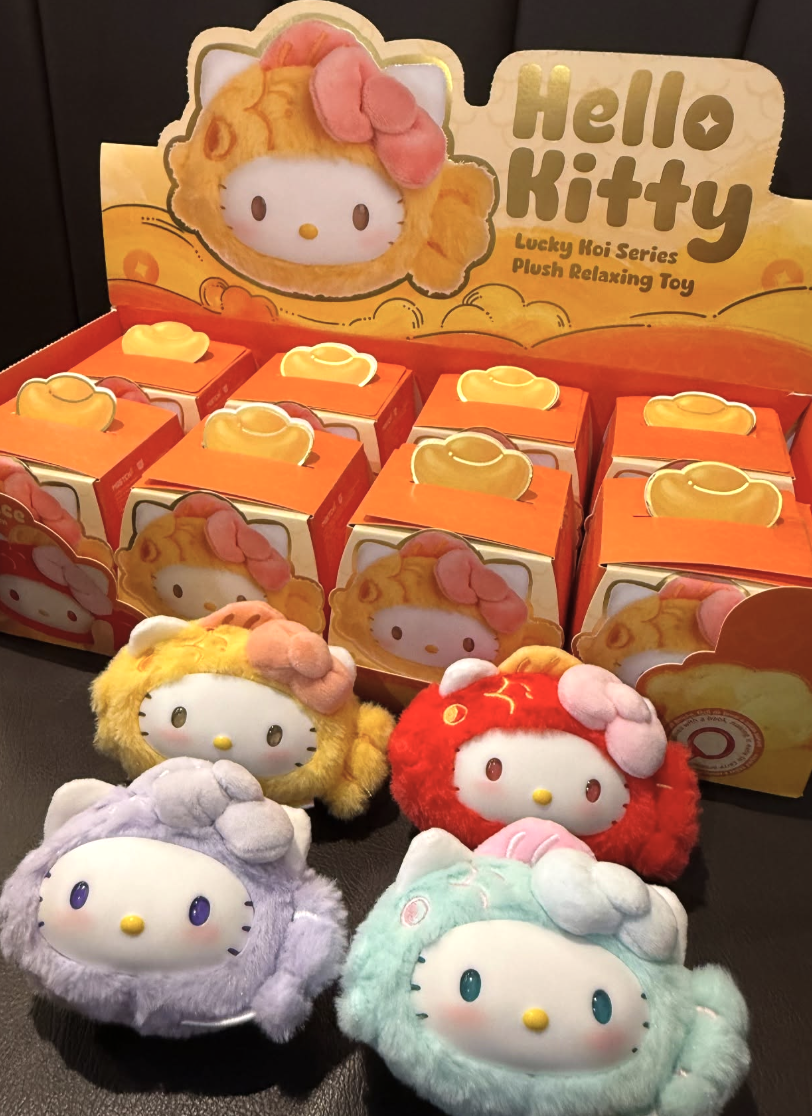

It looks like harmless fun, a cute collectible hidden inside a sealed, colorful box. However, for the millions of consumers lining up to buy blind boxes, the adrenaline for the unknown is less about having fun, it’s crossing the line to addiction. Critics warn that the global craze for collectibles isn’t just retail; it’s an engineered and unregulated form of variable reward gambling that is normalizing high-risk psychological behaviors, particularly among young adults and adolescents chasing specific collectibles they want. Are the collection of figures or trinkets (from blind packages) really harmful to people? Let’s find out.
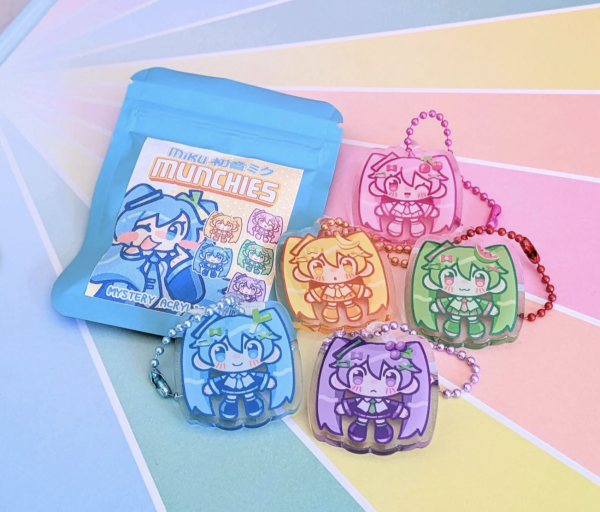
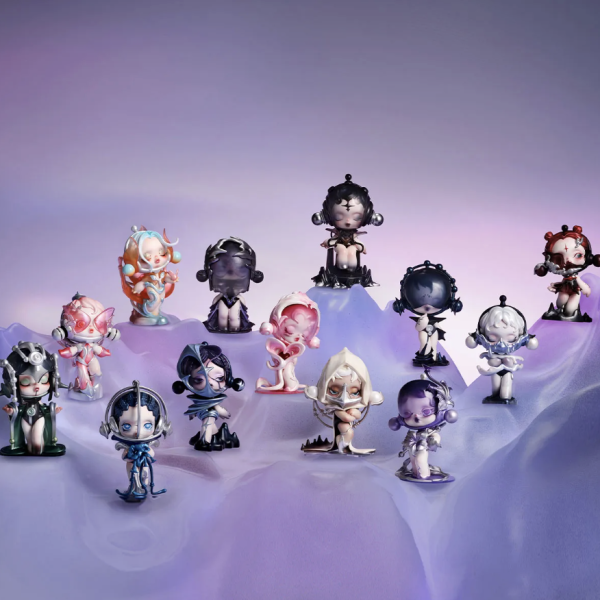
Blind packages are sealed packages that contains a mystery product from a specific series, such as a figurine, a trinket, or toy. For example: Labubus and Skullpanda figures from Pop Mart, Funko’s Mystery Minis, or various Gachapon capsule toys are all forms of blind boxes that appeal to adult and adolescent collectors by offering the excitement of chasing the figure or trinket they want.
According to GRINS (Gambling Risk Informed Nova Scotia), the core of this impulse of gambling lies in the variable-ratio schedule of reinforcement, the same thing that makes slot machines addictive. A variable-ratio schedule means rewards come after a random number of responses, so it encourages continuous effort. This too applies to blind packages because the highly-desired figure (especially the secret figure) only appears after an unpredictable number of purchases. This uncertainty makes you buy more and more often, creating a “just one more” obsession. For many, the thrill of the potential reward soon outweighs the value of the actual collectible, transforming a hobby into a financial black hole.
More dangerous than the financial drain is the long-term psychological torment. Over-engagement with blind boxes are positively associated with suicide risk in both young males and females. A survey was held by eClinical Medicine: 4,195 participants (5.73%) have engaged in blind boxes, with 3,255 females (77.59%) and 940 males (22.41%). The study acts as mediators in relationship between blind box engagement and suicide risk. Further, the severity of addictive behaviors is a key indicator of suicide risk within the collector group.
On the other hand, in a high-stress world, collecting offers a moment of escapism. Stated by Robotime: most blind-boxes are cheap, many of those items look amazing on desks and other furniture or bags, and those items are suitable for all ages (making them great gifts for your friends or family). For many, collecting is a harmless indulgence that offers a small dose of thrill and a large dose of comfort.
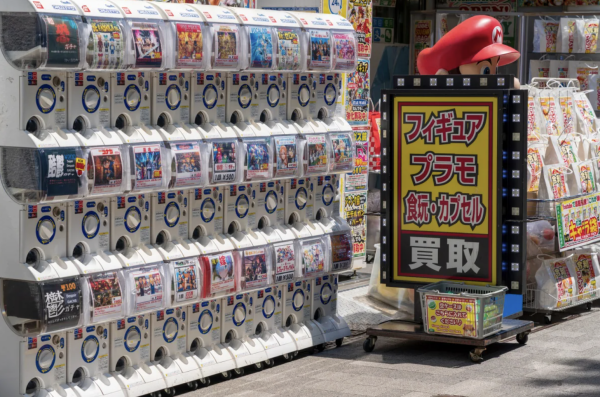
Given the compelling argument on both sides, the harm of blind packages must not be found in the product, but in the high-risk behaviors among people. Harm arises when the pursuit of a certain figure overpowers an individual’s self-control and budget. It’s completely alright to have fun in collecting, as long as you’re aware of what you’re doing and the potential consequences. What do you think? Please comment down below to share your opinion!


Christopher Bell • Feb 19, 2026 at 11:38 am
I had no idea that this was so prevelant. Your story makes a great case for this being a ‘hidden’ gateway to gambling/addiction. Did you consider the idea that this might be a ‘fad’ too?
Lin Myat Chal • Feb 19, 2026 at 2:04 pm
Thank you! This is a really interesting question. I definitely think that most “gacha-centered” brands (especially the ones people are going crazy over right now) are fads because of how they’re marketed. For example, Labubus stand out because their designs are unique because it’s “ugly” in a world of cute mascots. Labubu will become a fad one the weirdness becomes common. A fad always has a “ground zero” moment. For Labubu, it was April 2024 when Lisa from Blackpink posted her collection. People didn’t start buying Labubus because they loved the character, most people were only buying it because it was “Lisa-approved”. When the celebrity moves on to the next accessory, the fans (who aren’t “true” collectors) drop the hobby immediately. Another reason why those types of mascots won’t last is because they are often limited to the blind box business model. While Labubu is a huge hit right now, its presence is mostly tied to these mystery boxes and expensive collectibles. On the other hand, there are iconic brands like Sanrio. Sanrio has stayed relevant for over 50 years because they integrated into their fans’ daily lives. Sanrio doesn’t just sell toys; they make stationery, lunchboxes, towels, and home goods. You don’t have to ‘gamble’ to get a Hello Kitty notebook, it’s a useful product you can find anywhere. This moves the brand from being a ‘high-risk’ addiction to a reliable staple. Basically, what makes ‘gacha’ brand a fad is when it’s more about the excitement of the gamble than the item itself. If people only buy it because it’s ‘rare’ or ‘trending,’ the brand usually disappears as soon as the next big thing comes along.